
Embrace every challenge as a chance to grow, every setback as a lesson learned, and every small victory as a step toward excellence. Let’s cultivate a culture where innovation thrives and success becomes a daily journey. Together, we can achieve greatness!
In today’s fast-paced world, the only constant is change. Businesses that thrive are those that not only adapt to change but actively seek it out as a source of growth and innovation. Cultivating a culture of continuous improvement is no longer a luxury; it’s a necessity. This essay explores strategies to foster such a culture, enabling organizations to remain competitive and resilient in an ever-evolving landscape.
Leading by Example
Leadership is the cornerstone of a culture of continuous improvement. Leaders must model the behaviors they wish to see in their teams. This means seeking feedback, learning new skills, and demonstrating a willingness to embrace change. When leaders show that they are committed to their own growth and development, it sets a powerful example for employees. It sends a clear message that continuous improvement is valued at every level of the organization.
Fostering Open Communication
Effective communication is critical to continuous improvement. Organizations must create an environment where feedback is encouraged and valued. Regularly soliciting input from all team members fosters a sense of ownership and engagement. Constructive feedback should be a two-way street, enabling both employees and management to identify areas for growth and improvement.
Encouraging Innovation
Innovation is the lifeblood of continuous improvement. Employees should be empowered to think creatively and propose new ideas. Providing the necessary resources and support for experimentation can lead to breakthroughs that drive the organization forward. Encouraging a culture of innovation means celebrating not just successes but also the valuable lessons learned from failures.
Setting Clear Goals
Establishing clear, achievable goals is essential for driving continuous improvement. Goals should be specific, measurable, achievable, relevant, and time-bound (SMART). Clear objectives provide direction and serve as benchmarks for measuring progress. They help employees understand what is expected and how their efforts contribute to the organization’s overall success.
Celebrating Small Wins
Recognition is a powerful motivator. Celebrating small wins boosts morale and encourages continuous effort. Acknowledging achievements, no matter how small, reinforces the value of progress and keeps the momentum going. It helps build a positive and supportive culture where employees feel appreciated and motivated to strive for excellence.
Providing Continuous Learning Opportunities
In a fast-paced world, staying ahead requires continuous learning. Organizations should invest in training and development programs that enable employees to enhance their skills and stay updated with industry trends. Encouraging professional development fosters a culture of growth and helps employees feel valued and supported in their career journeys.
Implementing Agile Practices
Agile methodologies are particularly suited to a culture of continuous improvement. They promote adaptability and responsiveness to change. Regularly reviewing processes and making adjustments as needed helps improve efficiency and outcomes. Agile practices encourage a mindset of iterative improvement, where teams are constantly looking for ways to enhance their work.
Promoting Collaboration
Collaboration is key to innovation and problem-solving. A collaborative work environment allows team members to share knowledge, support each other, and leverage diverse perspectives. Cross-functional teams can drive innovation by combining their unique skills and insights to tackle complex challenges.
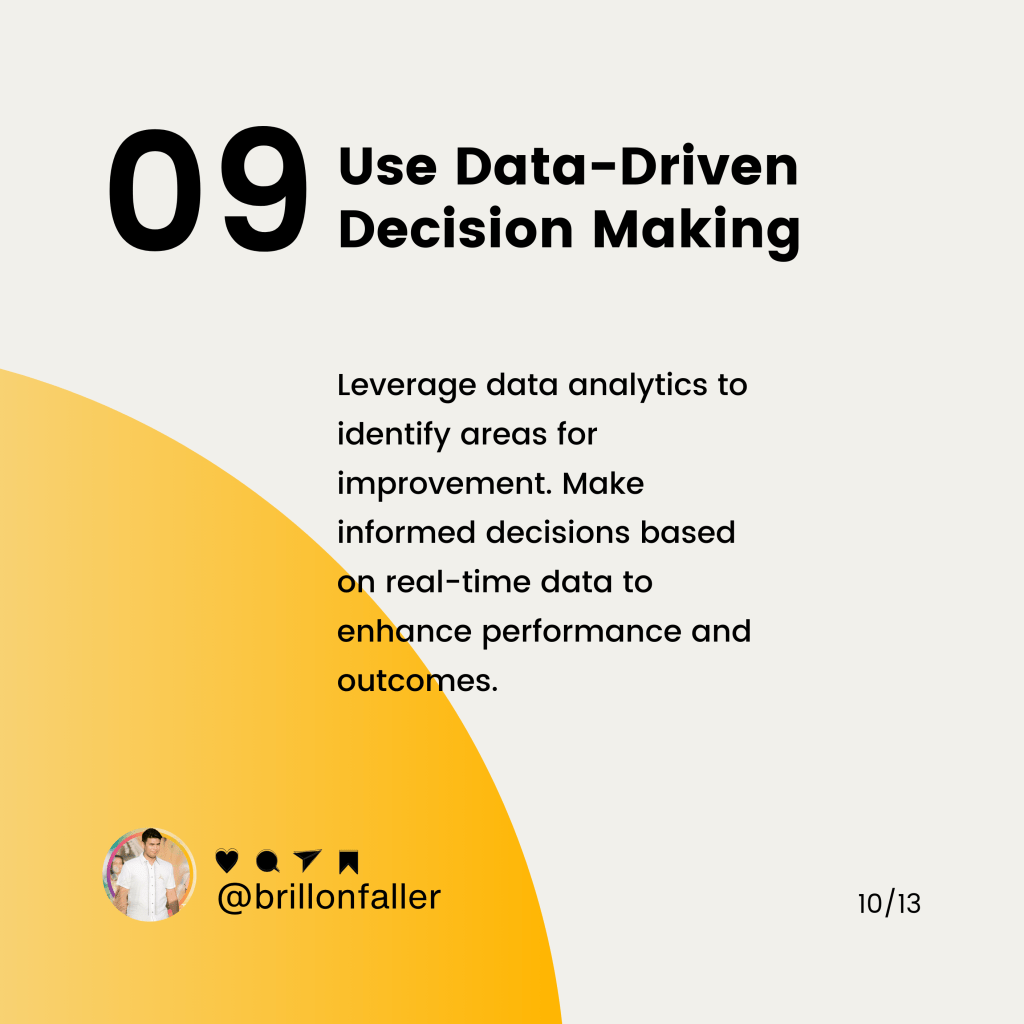
Using Data-Driven Decision Making
Data and analytics provide valuable insights that drive continuous improvement. Organizations should leverage data to identify areas for improvement and make informed decisions. Real-time data enables quick adjustments and enhances performance. A data-driven approach ensures that decisions are based on evidence rather than intuition.
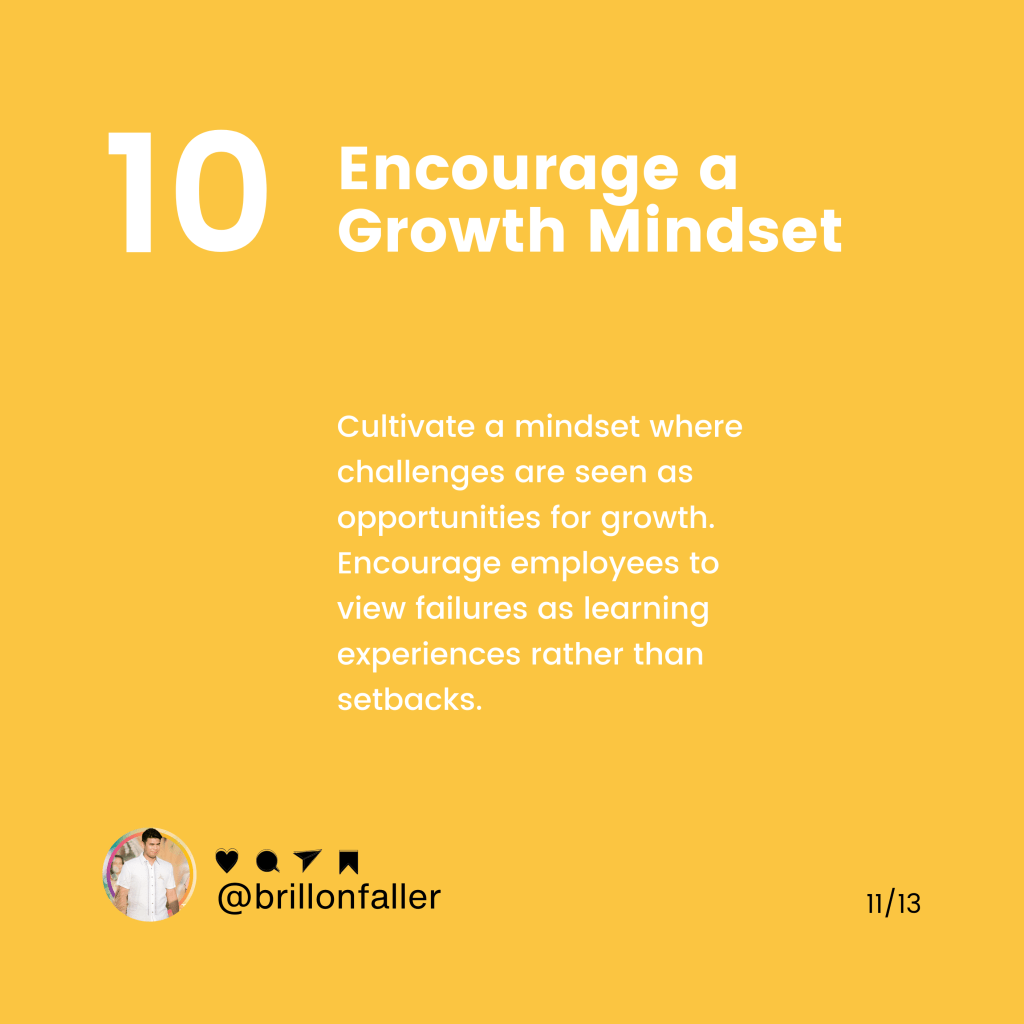
Encouraging a Growth Mindset
A growth mindset is essential for continuous improvement. Employees should be encouraged to view challenges as opportunities for growth and to see failures as learning experiences. This mindset fosters resilience and a willingness to take risks, which are crucial for innovation and long-term success.
Providing the Right Tools
Equipping teams with the right tools and technology is crucial for fostering continuous improvement. Project management software, collaboration platforms, and other digital tools can enhance efficiency and support innovation. Organizations should ensure that employees have access to the resources they need to perform at their best.
Regularly Reviewing and Reflecting
Continuous improvement requires regular review and reflection. Organizations should schedule periodic reviews to assess progress, identify what’s working, and determine what needs adjustment. Reflecting on experiences helps refine strategies and plan future actions, ensuring that the organization remains on a path of growth and improvement.







Considering all this, in a fast-paced world, cultivating a culture of continuous improvement is essential for success. By leading by example, fostering open communication, encouraging innovation, and implementing the strategies outlined above, organizations can create an environment where continuous improvement thrives. This not only enhances performance and competitiveness but also ensures that success is not just an end goal but a daily journey. Together, we can empower growth and achieve greatness in an ever-evolving landscape.

 Nurtured Hearts Hub 💚
Leave a comment